
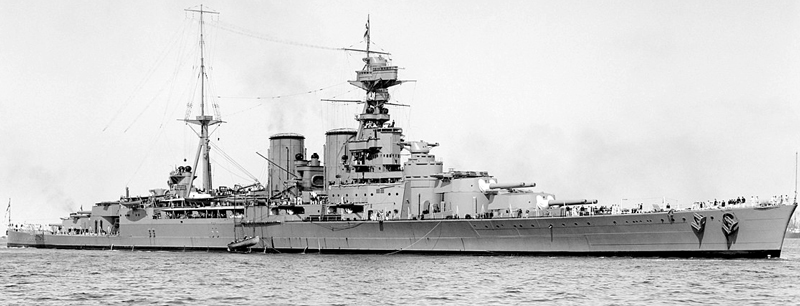
A HELENSBURGH man was one of the ship’s company declared ‘missing believed killed’ when the battlecruiser HMS Hood was shelled and sank on May 24 1941.

The sinking by the German battleship Bismarck was one of the largest World War Two losses of life for the Royal Navy, and it sparked a huge pursuit of the Bismarck, which was destroyed three days later.
Read more …Officer lost life when HMS Hood exploded

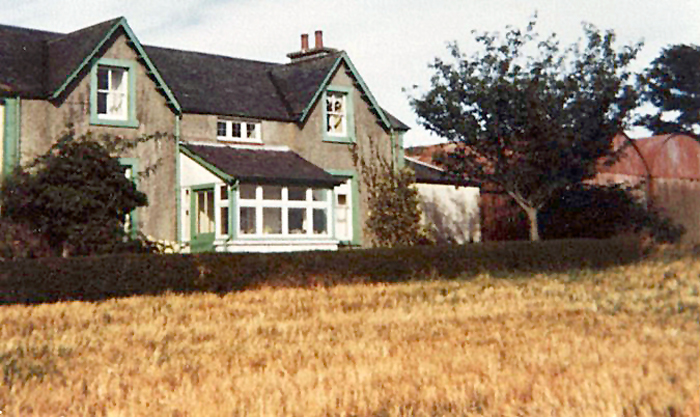
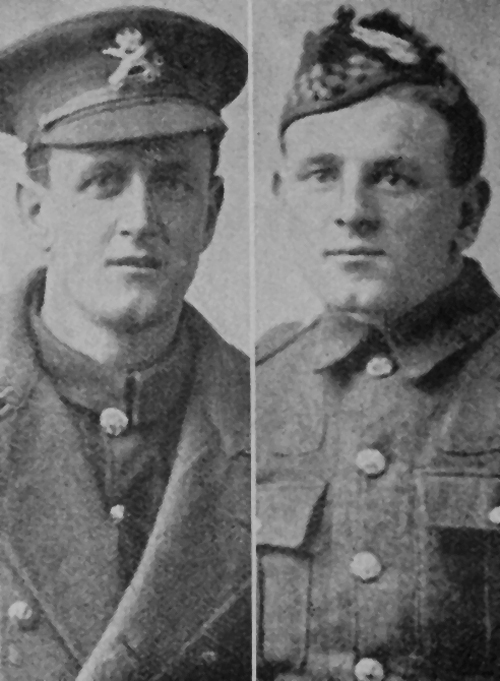
CONSIDERABLE research has been undertaken into the parts played by Helensburgh and district men and women in both World Wars.

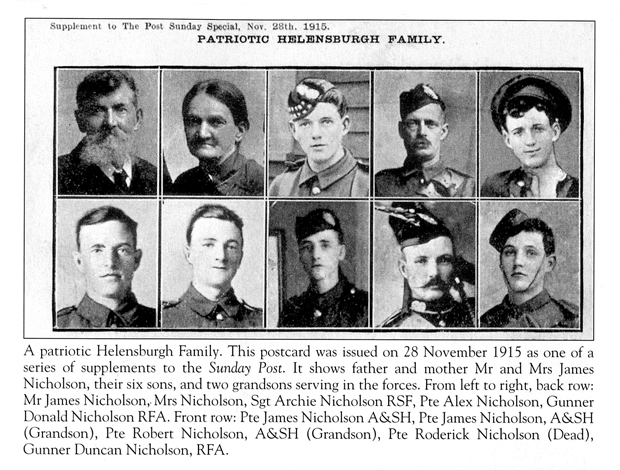
But there are still many gaps, including details of the huge contributions of two burgh families about which much more information is wanted.

Read more …Two families at war

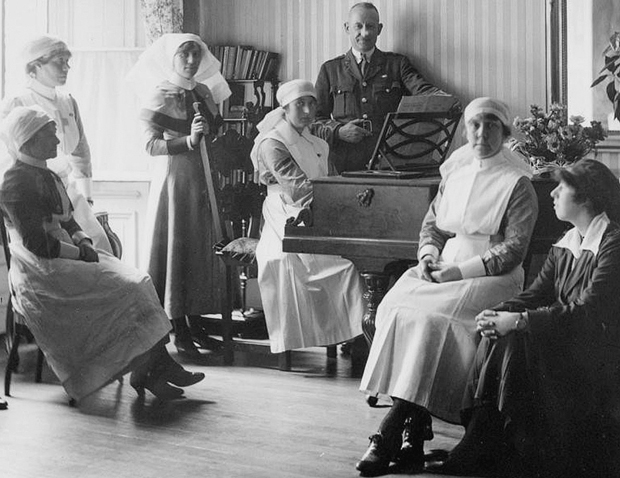
“A pleasant surprise during the coronavirus lockdown. Please thank the people of Helensburgh.” So said nonagenarian Frances McLaren, who admits to now being frail of limb.

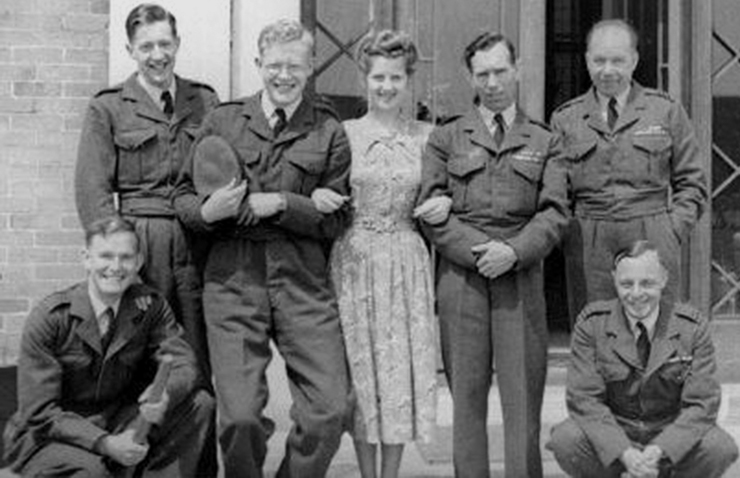
However, her mind seems as sharp as it was when she was on the scientific staff at RAF Helensburgh on Garelochside some 75 years ago.

Read more …Trust tribute to MAEE veteran

WHEN Charles Simmons wanted to know what his late father did at RAF Helensburgh during World War Two, he contacted Helensburgh Heritage Trust.

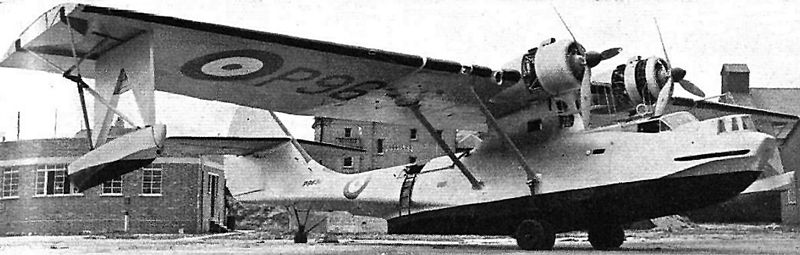
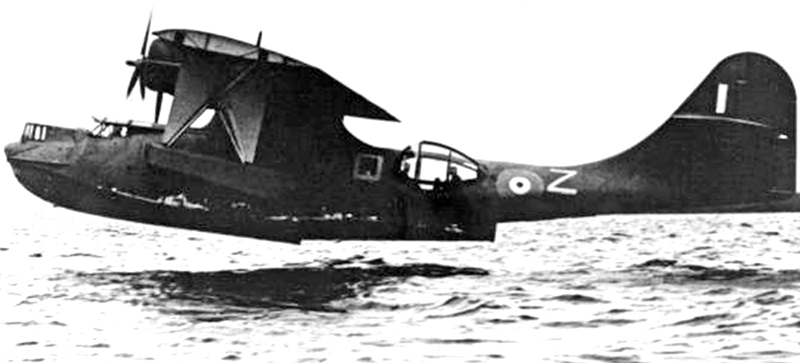
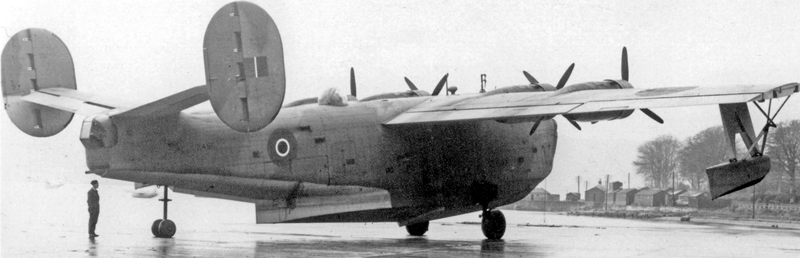
Charles said his father did not speak much about the war, so his knowledge was sketchy about the secret flying boat base RAF Helensburgh, a cover name for the Marine Aircraft Experimental Establishment.

Read more …MAEE led battle to trace U-Boats

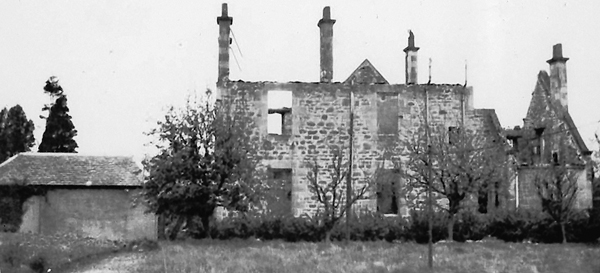
CARDROSS village and the surrounding area suffered three deaths and significant and widespread damage when the Luftwaffe bombed it over the night of May 5 1941.

It is believed that — although a German propaganda broadcast later spoke of "the port of Cardross” — the pilots were fooled by a hilltop decoy site near Kipperoch, between Cardross and Renton which was hit by 205 bombs and six mines.

Read more …Cardross villager describes night of bombing

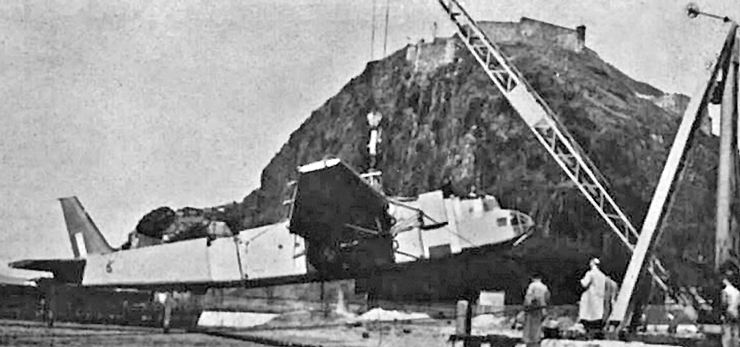
THE Marine Aircraft Experimental Establishment based at RAF Helensburgh at Rhu in World War Two was tasked with investigating the problems of a bomber which was nicknamed by aircrew as ‘the flying coffin’.

Blackburn Bothas were built at Dumbarton from 1939 to Government specifications for a four-seater, twin-engine reconnaissance bomber.

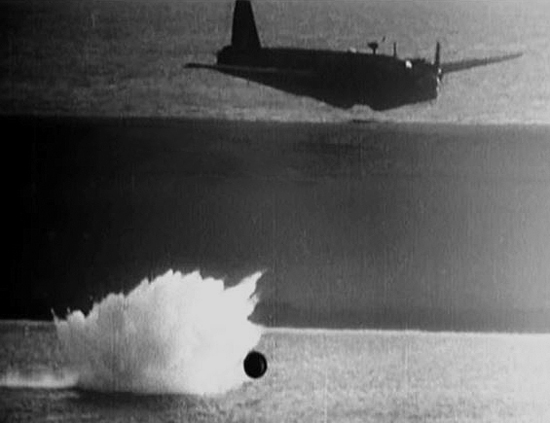
Read more …Seaplanes dropped beside Rock

More Articles …

Application to Join

member

Click the image above

Photo Gallery (2)

gallery