
Captain died in final ship torpedoed
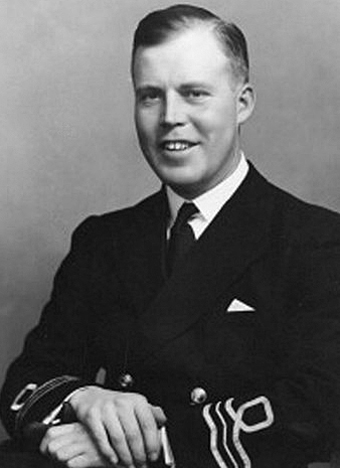 A HELENSBURGH man commanded and died in the last British warship to be sunk in the European and Arctic theatres in World War Two.
Lieutenant Commander James Vaudalle Fulton RNVR, who had previously commanded the destroyer HMS Brighton, was the captain of HMS Goodall, K479, a lend lease 1,430 ton Captain class American frigate commissioned in 1943.
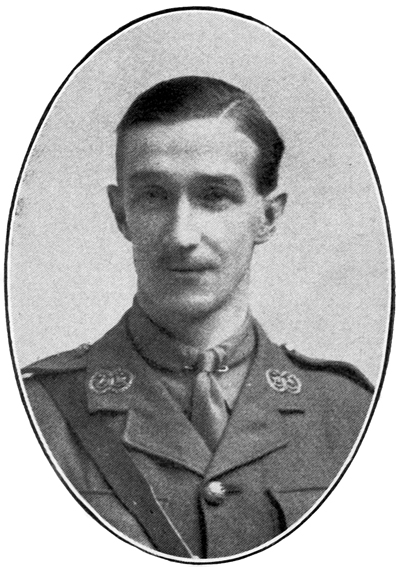 A YOUNG Helensburgh Army officer — son of the town’s Provost — survived fighting in the World War One trenches . . . only to die in Britain’s worst ever train disaster.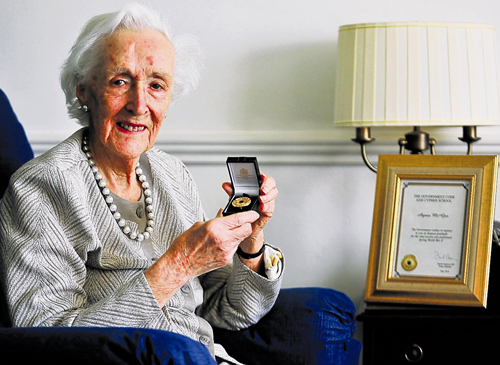
 A HELENSBURGH veteran of what Winston Churchill called “the worst journey in the world” was presented with the Arctic Star medal on August 7 2013 — over 60 years after undertaking the dangerous mission.
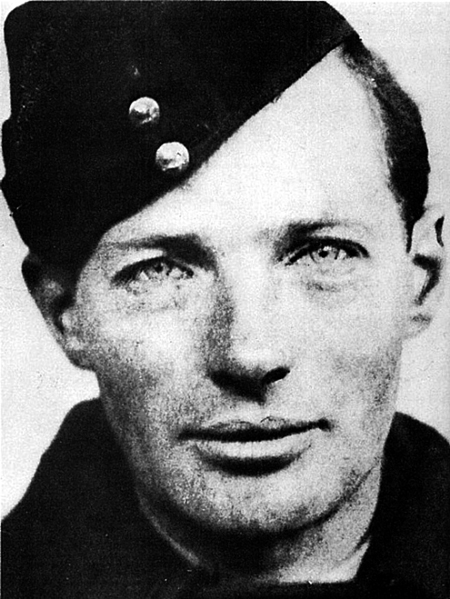 TALES of RAF Helensburgh during World War Two are usually of brave men and women doing vital war work and sometimes losing their lives. But there was one dishonourable exception.
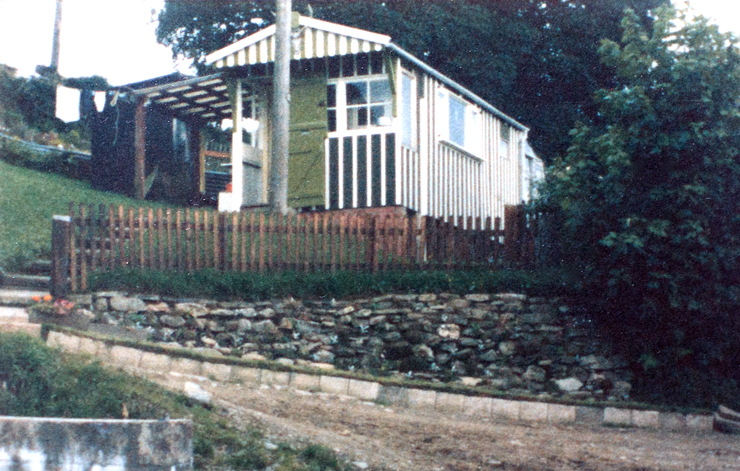

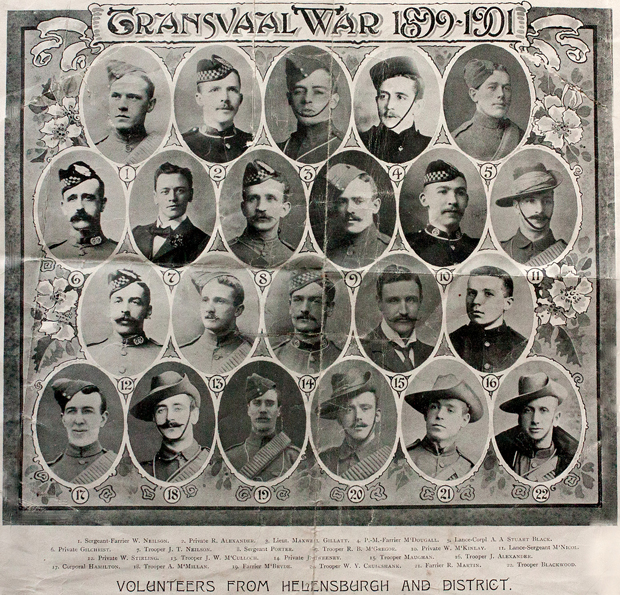
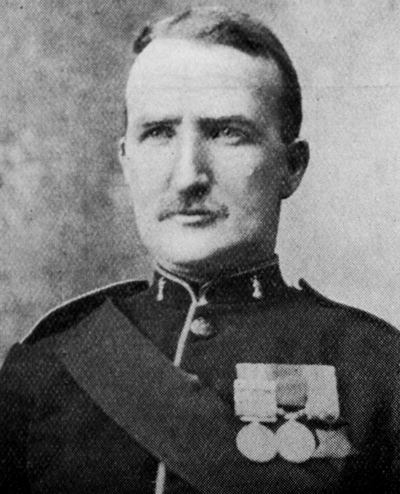
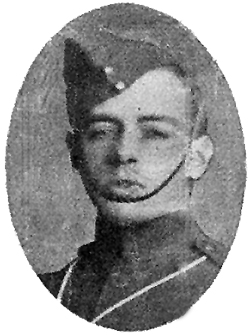 ONE of the 22 Helensburgh soldiers who received carriage clocks in recognition of their service in the Boer War went on to win praise from the King of Albania.
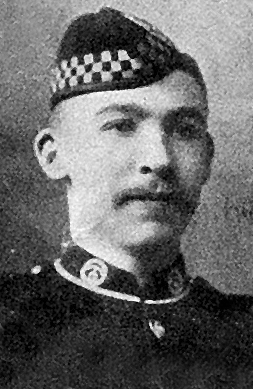 HELENSBURGH Heritage Trust bought a carriage clock presented to a burgh soldier who served in the Boer War, Private William McKinlay, in 1901, and would like to find out more information about him.