
Captain died from infected wounds
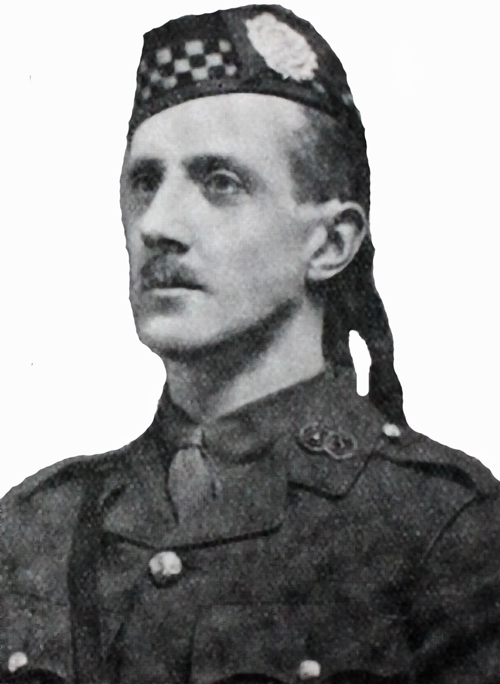 A MEMBER of a well-known Helensburgh family died unexpectedly in hospital after receiving gunshot wounds at Ypres in 1917.

A MEMBER of a well-known Helensburgh family died unexpectedly in hospital after receiving gunshot wounds at Ypres in 1917.
 RESTORING a small boat with links to the former Admiralty Torpedo Range at Arrochar has become a 30-year obsession for its owner.
Now Robert Clements wants to establish more of the history of the motor launch, and he hopes Helensburgh Heritage Trust website readers can help.
THE HEADLINE in the Helensburgh and Gareloch Times was rather more dramatic than the Times usually carried . . . “Towing Nazi Death Launch’.
But the story, which featured a burgh man, deserved it.
 A HELENSBURGH man was a cook on board the liner Athenia, the first ship to be torpedoed in the Second World War.
John Joseph O’Keefe survived the sinking on September 3 1939, but died later as a result of the injuries he received.
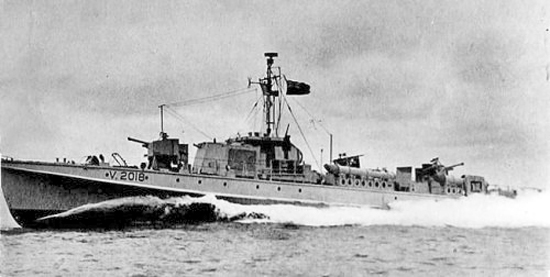 A BADLY BURNED Helensburgh navyman trying to survive in the water after his ship attacked in World War Two was shot at by German forces.
The shots missed the 20 year-old Peter Mackie and his crewmates, but he died from his injuries five days later.
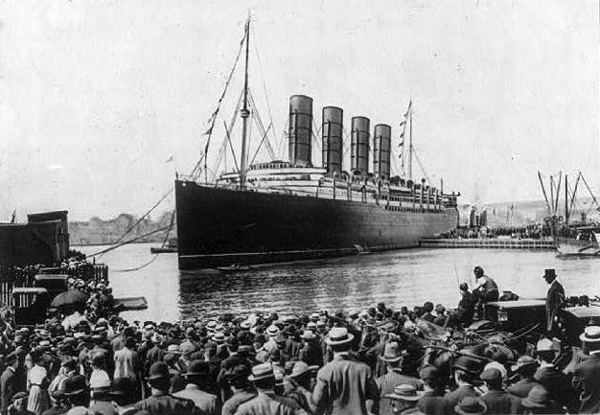 A YOUNG woman survived the sinking of the Clyde-built ocean liner Lusitania 100 years ago and went on to reach the grand old age of 95, spending the final ten years of her life in Helensburgh.
Grace Hope French was born in 1890 and became a dressmaker and milliner. She originally booked passage on the Cameronia before she was transferred to the Lusitania.
 THE RESPONSIBILITY of being Chancellor of the Exchequer during the First World War was a huge one for Helensburgh man Andrew Bonar Law.
But in 1917 the man who would become Prime Minister had to undertake his state duties while burdened with the terrible sadness of losing his two elder sons in action.
 SEVENTY years ago the Marine Aircraft Experimental Establishment packed its bags at the end of World War Two and said goodbye to Helensburgh.
RAF Helensburgh, as it was known, operated primarily with flying boats after the unit moved north from Felixstowe in September 39. It returned to the Suffolk port when hostilities ceased.
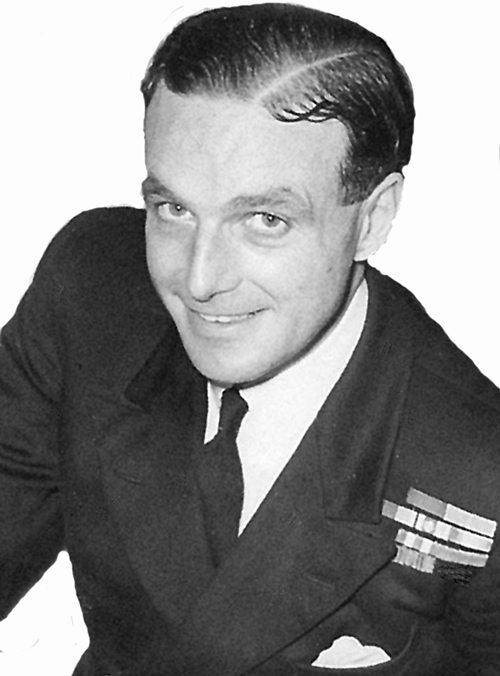 KILMAHEW was not only the name of a mansion above Cardross . . . it was also the name of a Baron.
The 2015 project to restore the Kilmahew grounds and make safe the former St Peter’s Seminary has attracted widespread publicity recently, and would certainly have been applauded by Bobby Allan.
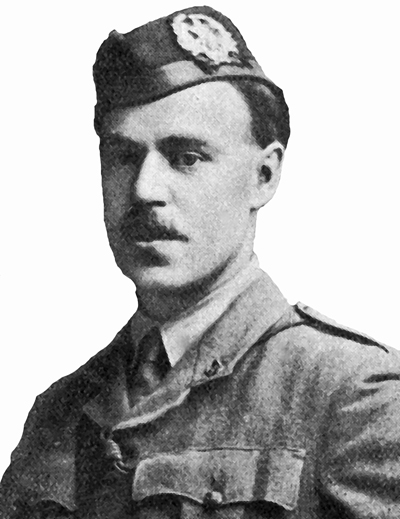 A HELENSBURGH man had a glittering school and university career, died in action in World War One . . . and has the possibly unique distinction of being married after his death.
It was an extraordinary end to a remarkable life for the second son of a clay manufacturer, Campbell Rodger, and his wife Catherine, who lived in Rossland, East Montrose Street.
 OFFICERS and senior civilian staff with RAF Helensburgh turned a wartime Christmas dinner into a French feast in 1944.
The officers mess for the Marine Aircraft Experimental Establishment was Ardenvohr, the requisitioned home of the then Royal Northern Yacht Club at Rhu.
 CATALINA flying boats were a familiar sight on the Gareloch off Helensburgh and Rhu throughout World War Two.
RAF Helensburgh — the Marine Aircraft Experimental Establishment — tested and modified all Catalinas types before new marks were assigned to operational squadrons.