
Sidebar

Magazine menu

28
Fri, Aug

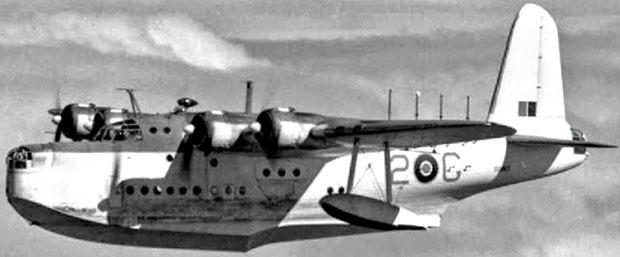
THE Golden Hind on the Gareloch must have been an impressive sight — not Sir Francis Drake’s Golden Hind of 1580, or a replica, but a flying boat of the same name.

This was in 1940, and it could fly with a wing span of 134 ft compared to the 19 ft width of the galleon.

THE GARELOCH was the starting point for one of the most important top-secret missions of World War Two.

WINTER frosts caused problems at RAF Helensburgh during World War Two — resulting in difficulties when handling, servicing and launching flying boats.

This meant that test flights were often postponed or delayed, and schedules were missed.

DV-967-G-w

WHEN Hogmanay 1942 was celebrated at RAF Helensburgh, pilots of the Marine Aircraft Experimental Establishment were about to start the New Year testing Johnnie Walker . . .

However it was not the whisky, but a potential lethal cocktail made up of the explosives Torpex, RDX and TNT packed into a 400-500 lb self-roaming bomb powered by an attached bottle of compressed hydrogen.

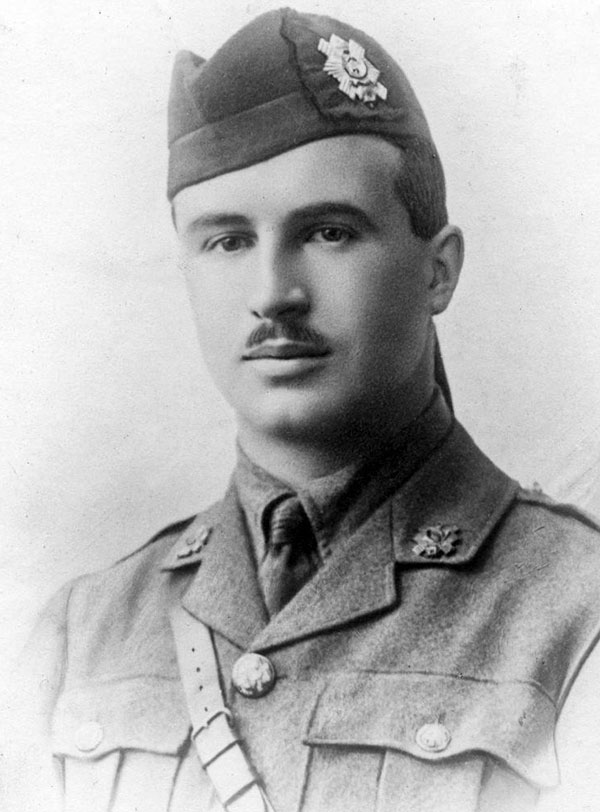
Lt-W-G-Teacher-wTHE GREAT grandson of the founder of Teachers Whisky, a young Army officer from Cove, was killed in action in the Flanders trenches on May 14 1916.
Second Lieutenant William George Teacher, who was 22, lost his life while in command of his company at Thiepval, a few weeks before the start of the Somme campaign.

HS-Glenart-Castle-w

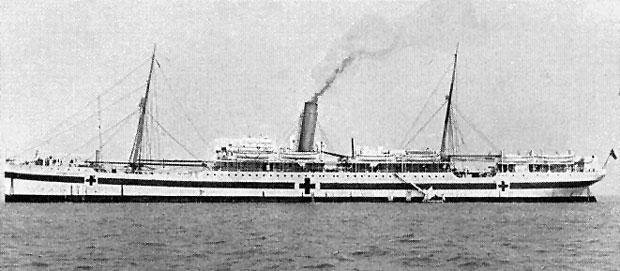
A CHAPLAIN who was born in Helensburgh is thought to have drowned when the hospital ship Glenart Castle was torpedoed in the Bristol Channel on February 26 1918.

Captain the Rev John B.McIlvaine, who was 39, was the Roman Catholic chaplain on the ship, and his Church of England colleague also died.

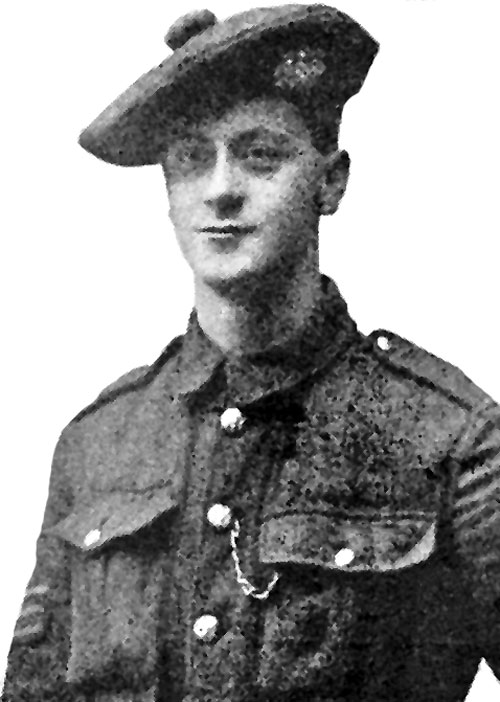
Sgt-Connor-cutout-wA GARELOCHSIDE man who made made the supreme sacrifice in World War One won the same gallantry medal twice.

Sergeant Norman Connor was born in Garelochhead on June 7 1896, and killed in action on September 4 1917.

WHEN boffins looked to the stars from the banks of the Gareloch at Rhu during World War Two, were they envisaging that one day they would be pioneering rocket and supersonic air travel?

Experts including Harry Garner, John Allen, James Hamilton, Ronald Andrew Shaw and Robert Hugh Francis all served at RAF Helensburgh, the Marine Aircraft Experimental Establishment in and around Rhu — and all went on to even greater things.

ONE of the most distinguished pilots of his generation was posted to RAF Helensburgh — the Marine Aircraft Experimental Establishment — in February 1943.

After winning the celebrated 1927 International Schneider Trophy seaplane air race for Britain in a Supermarine floatplane, Flight Lieutenant Sydney Norman Webster’s career in the Royal Air Force really took off.

STEWARDESS from Helensburgh is one of two women named on the Helensburgh War Memorial in Hermitage Park.

Janet Todd of the Merchant Navy lost her life on March 25 1941 in one of the more controversial sinkings of World War Two.

raf-helensail-w

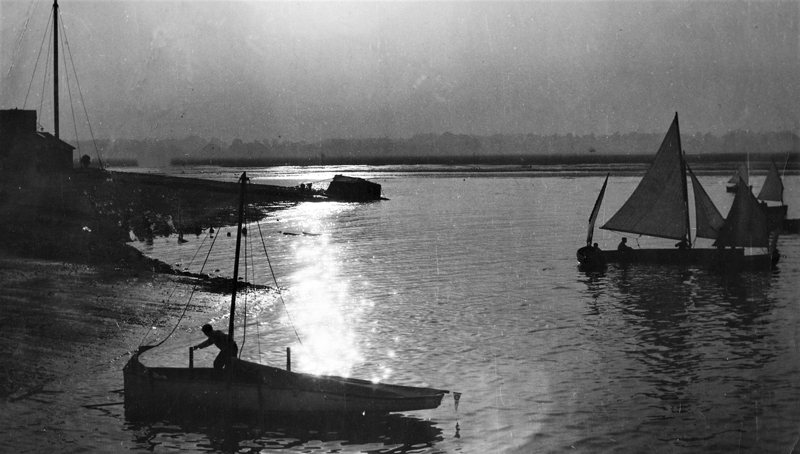
TODAY Rhu is home to the Royal Northern and Clyde Yacht Club and a modern marina capable of accommodating up to 140 leisure craft . . .

But the same location during World War Two moored boats of a different type — flying boats, RAF high speed launches, pinnaces and seaplane tenders.

A FASCINATING first-hand account of life at the Marine Aircraft Experimental Establishment on Garelochside in World War Two was written by someone who served there.

It was obtained by retired Merseyside newspaper editor Robin Bird, who has written two books about the establishment, officially known as RAF Helensburgh although most of its activities were in Rhu.

More Articles …